City Building – 1 point
Other Strats – 1.25 points
Piston Fighters – 2 points
Tu-2S – 4 points
B-17G – 6 points
Me 262A-1 – 12 points
On the Offensive: France 1941

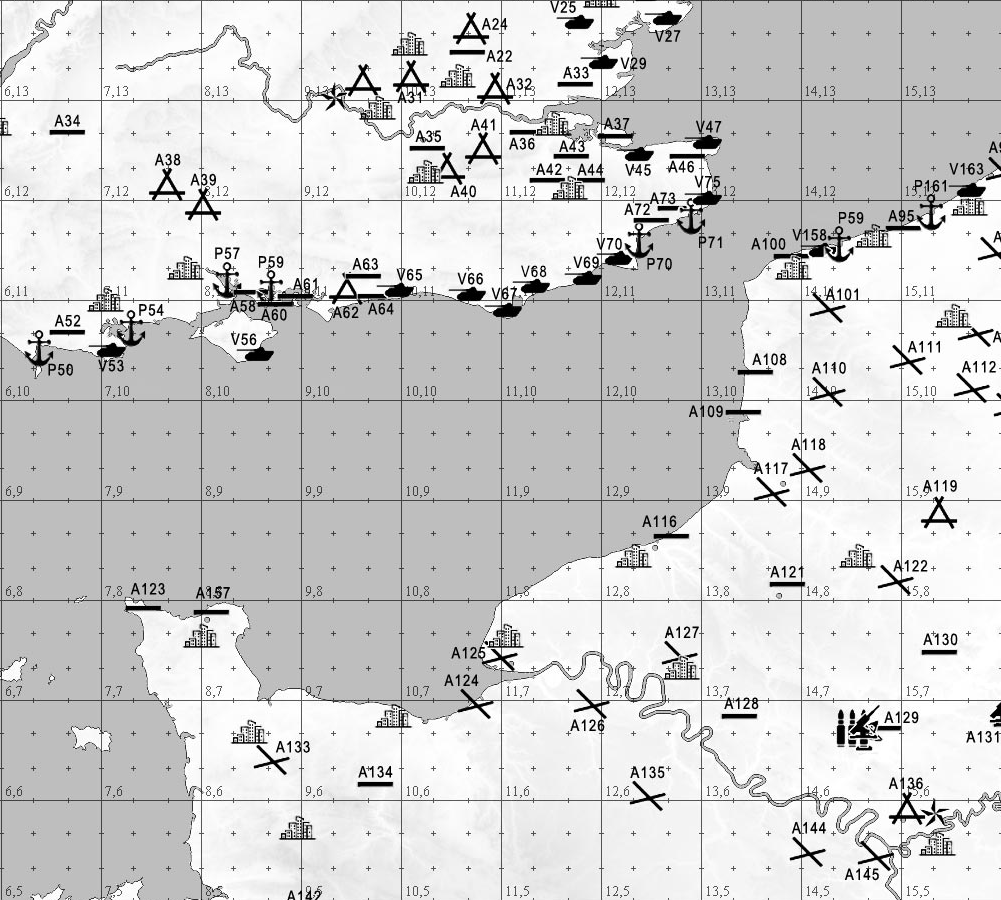
After the Battle of Britain, the RAF took the fight to the Luftwaffe across the English Channel. Fighter sweeps and daylight raids against various targets were common in 1941. These small enaggements continued into the next year. The fighting was not as fierce as the Battle of Britain or Zerberus, but the RAF and Luftwaffe traded blows for months throughout the year.
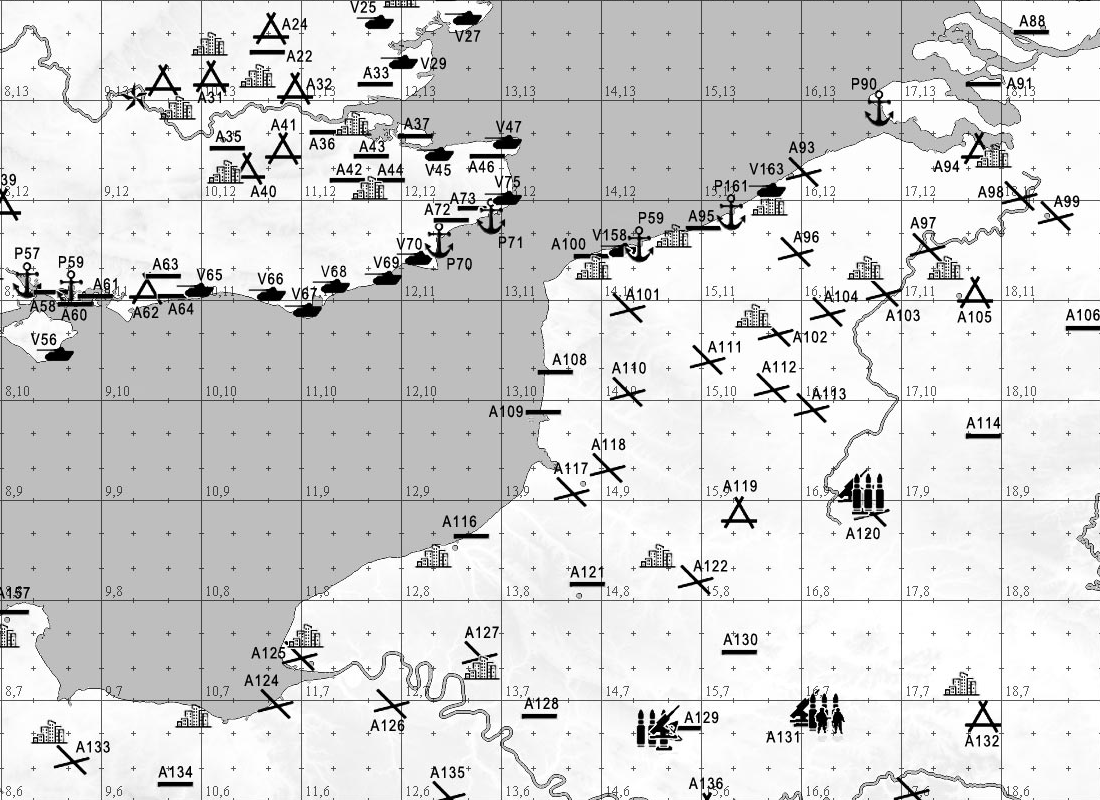
The event is to be a loose simulation of these aerial struggles over the coast of Western France.
Side Split: 50/50
|
Royal Air Force |
Luftwaffe |
||
|
Spitfire Mk. V |
MAX 30 |
Bf 109F-4 |
MAX 36 |
|
Hurricane Mk. IIC |
Bf 109E-4 |
||
|
Lancaster IIIB (Short Stirling) |
MIN 12 |
||
Special Rules:
Scoring:
Arena Settings:
- Terrain: BoB40
- Clouds: light5k
- Fuel Burn: 1.0
- Icons: 3K Friendly/Enemy
- Ack: .3
- Fighter and Bomber warning range: 52800 (about 10 miles)
- Tower range set to 52800 (for display only to match the above setting)
- Radar: Off
- Enemy collisions: on
- Friendly collisions: off
- Killshooter: off
- Time: 1000 (10AM) Game Clock
- Formations: On
- Formation Autopilot: On
- Bomber calibration: Automatic
- Wind:
0K-2K NO WIND
2K-8K: S TO N - Speed 5
8K-16K: SW TO NE - Speed 10
16K-20K: W TO E - Speed 15
20K+: Downwind Speed 45
Area of Operations:
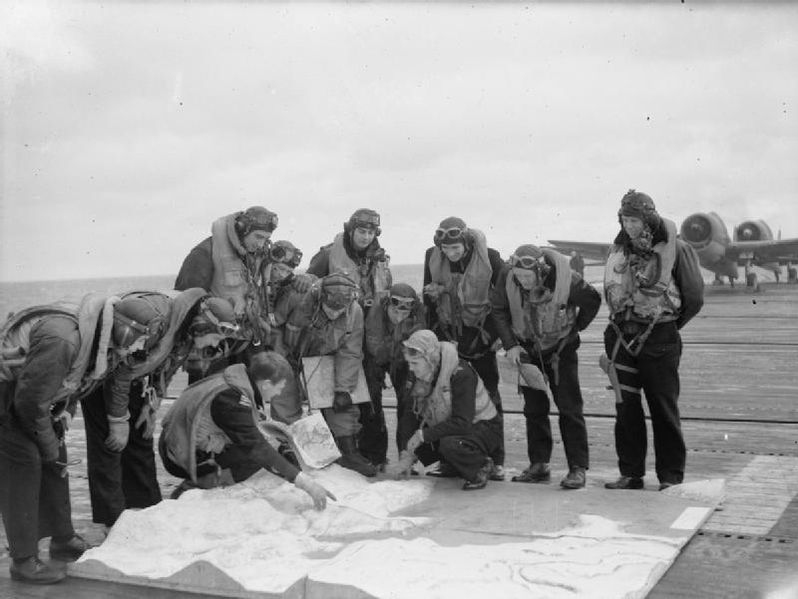
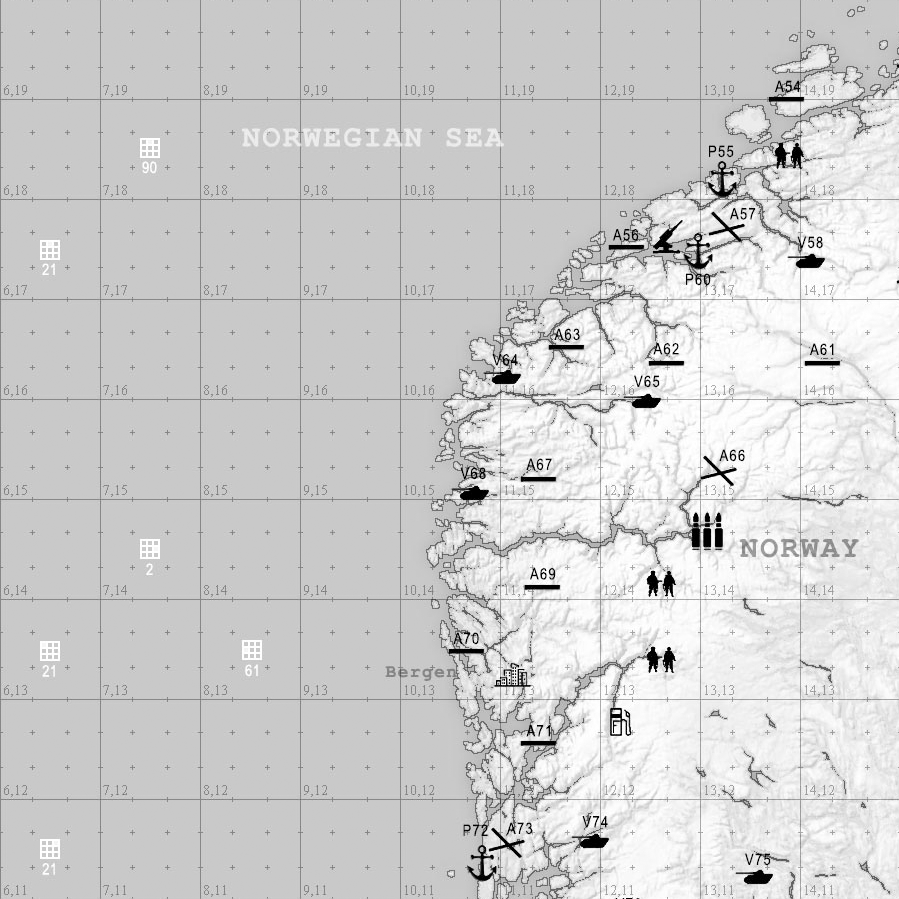
In the Spring of 1944, the British were eager to strike into Norway, wanting to send capital ships close in order to get much needed supplies to the Soviet Union. One thing stood in their way: Tirpitz. The Tirpitz was moored in Kaafjord undergoing repairs at the time, and it was the greatest single maritime threat to the Allies at the time. The British were worried that by the time it was finished being serviced, it would lay waste to the supply ships they needed in the North and Arctic seas.
This setup aims to re-create Operation Tungsten, the attack on the Tirpitz by the Royal Navy, and what could have been a formidable defense by the Luftwaffe.
Side Split: 52% Allies/48% Axis
|
Royal Navy |
Luftwaffe |
||
|
F4U-1A (Corsair Mk. II) |
MAX 24 |
Bf 109G-14 |
MAX 20 |
|
F6F-5 (Hellcat F Mk. II) |
MIN 20 |
Bf 109G-6 |
MIN 12 |
|
Seafire Mk IIc |
MIN 12 |
Fw 190A-5 |
MAX 6 |
|
TBM-3 |
- |
Bf 110G-2 |
MAX 12 |
Special Rules:
Scoring:
F4U-1A - 1835NAS/FAA by Greebo
- 1842 NAS FAA by Greebo
F6F-5 - 800S/FAA by Greebo
- 804NAS/FAA by Greebo
Seafire - 880S/FAA by Kev367th
TBM-3 - 852S/FAA by Greebo
Bf 109G-14 - Default (special nrthseaw default)
- 16/JG5 by Fencer
- JG5 by Dutchguy
Bf 109G-6 - Default (special nrthseaw default)
- II./JG5 by TrueKill
Fw 190A-5 - Default (special nrthseaw default)
Arena Settings:
- Terrain: nrthseaw
- Clouds: med15light5k
- Fuel Burn: 1.0
- Icons: 3K Friendly/Enemy
- Ack: .3
- Fighter and Bomber warning range: 52800 (about 10 miles)
- Tower range set to 52800 (for display only to match the above setting)
- Haze/Fog: 15 miles
- Radar: Off
- Enemy collisions: on
- Friendly collisions: off
- Killshooter: off
- Time: 1000 (10AM) Game Clock
- Formations: On
- Formation Autopilot: On
- Bomber calibration: Automatic
- Wind:
0K-2K NO WIND
2K-8K: S TO N - Speed 5
8K-16K: SW TO NE - Speed 10
Area of Operations:
Kanalkampf to Adlertag: Battle of Britain 1940
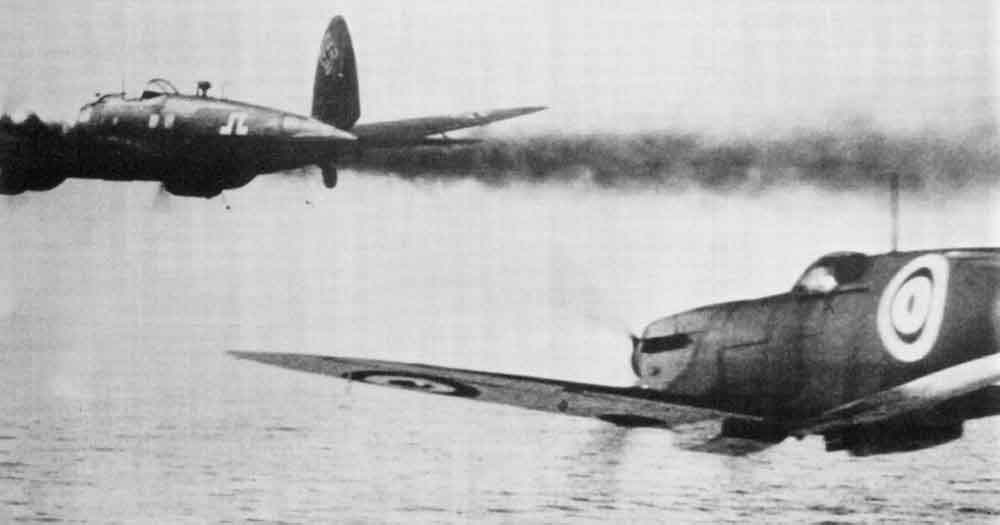
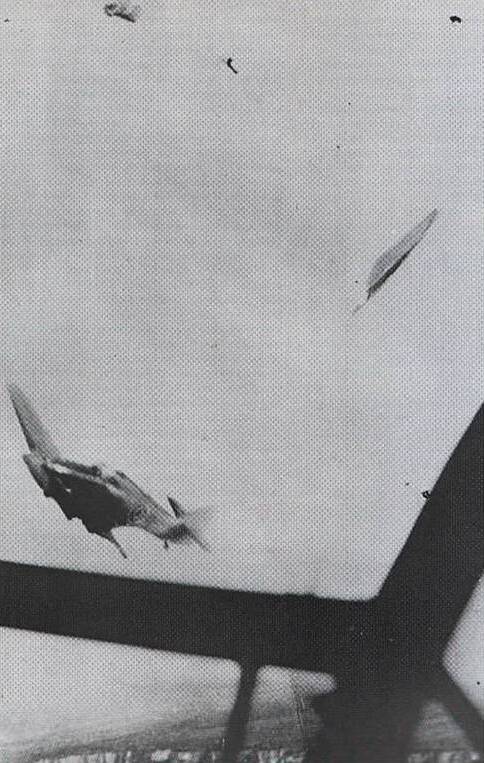
The Battle of Britain spanned nearly 4 months, from July 1940 until October 1940. It pitted the Luftwaffe against the Royal Air Force and her Commonwealth allies in one of the first major battles of the war.
This FSO aims to recreate multiple phases of the Battle of Britain. The focus will start with the precursor to the main bombing raids, the “Channel Battles” where the Luftwaffe attacked British shipping on the English Channel. One particular mission was against the convoy “CW9: Peewit” on Thursday, August 8th, which was hauling coal from Medway as it was attacked. This marked one of the first days of sustained engagements of the Battle of Britain.
On Sunday, August 11th, the Luftwaffe sent a decoy raid to the port of Dover to shroud a massive 170 aircraft raid to the Portsmouth and Portland area north of the Isle of Wight. This raid was tracked on radar as well, and many squadrons of Spitfires and Hurricanes were scrambled to intercept.
On Tuesday, August 13th, Adlertag (“Eagle Day”) began as the Luftwaffe again launched massive raids on key airfields and installations both on the coast of England as well as inland. While the Luftwaffe dealt quite a blow to the RAF in these raids, it ultimately did not reach the goal of crippling the RAF. The Luftwaffe would continue strategic bombing raids in to September, but the RAF was never crippled enough for the Battle of Britain to be considered an Axis victory.
Allies: 45% / Axis 55%
Order of Battle:
Frame 1:
|
RAF |
Luftwaffe |
||
|
Spitfire Mk. I |
MAX 28 |
Bf 109E-4 |
MIN 24 |
|
Hurricane Mk. I |
MIN 20 |
Bf 110C-4b |
MAX 12 |
|
Ju 87D |
MIN 16 |
||
Frame 2:
|
RAF |
Luftwaffe |
||
|
Spitfire Mk. I |
MAX 28 |
Bf 109E-4 |
MIN 24 |
|
Hurricane Mk. I |
MIN 20 |
Bf 110C-4b |
MAX 12 |
|
He 111H |
MIN 16 |
||
Frame 3:
|
RAF |
Luftwaffe |
||
|
Spitfire Mk. I |
MAX 28 |
Bf 109E-4 |
MIN 24 |
|
Hurricane Mk. I |
MIN 20 |
Bf 110C-4b |
MAX 12 |
|
He 111H |
MIN 16 |
||
Loadout Restrictions:
Notes:
Scoring:
Arena Settings:
0K-6K NO WIND
6K-12K: S TO N - Speed 5
12K-18K: SE to NW - Speed 10
18K+: 30MPH Downdraft
Area of Operations:
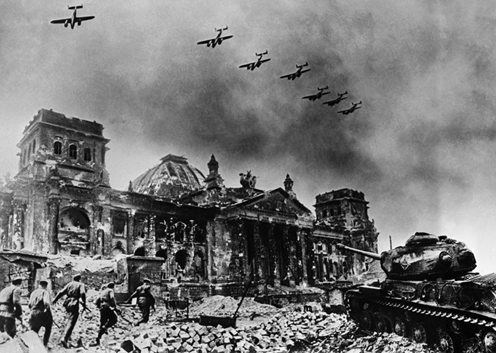
By the Spring of 1945, much of Germany has been overrun. On the Eastern Front, the Soviets continue their push on Berlin. On the Western Front, Allies backed by USAAF strategic bombing, continue to pummel German cities and factories. At this point in the war, Germany was purely on the defensive and pinched between two overwhelming forces.
The Soviets began bombing raids on Berlin as early as March in preparation for their ground forces to begin moving into the city. Stalin’s priority was the capture of Berlin and more territory to the West, because he did not believe the Western Allies would hand over captured territory after the war. As time went on and Soviet forces moved closer to Berlin, artillery strikes began to pummel the city.
On the Western Front, bombing raids were being conducted by the 8th Air Force from England. While the Soviet forces were nearly outside of Berlin by March, the Western Allies had a large obstacle in the way halting their ground advance: The River Rhine. The Allies successfully crossed the Rhine in multiple areas around March of 1945, and the strategic bombing campaign continued to strikemajor cities along the Elbe River.
This setup aims to re-create the air war and simultaneous bombing strikes on Germany from both the USAAF in the West, and the Soviets in the East.
Side Split: 52% Allies/48% Axis
Order of Battle:
|
USAAF |
VVS |
Luftwaffe |
|||
|
P-51D |
MIN 20 Total (No more than 16 P-47M*) |
La-7 |
MIN 20 Total |
Bf 109G-14 |
MIN 24 Total |
|
P-47M |
Yak-3 |
Bf 109K-4 |
|||
|
B-17G |
MIN 12 |
Yak-9U |
Fw 190A-8 |
MIN 24 Total |
|
|
- |
Tu-2S |
MIN 12 |
Fw 190D-9 |
||
|
*See Special Rules for info |
- |
Ta 152H-1 |
MAX 8 |
||
|
- |
- |
Me 262A-1 |
MAX 4 |
||
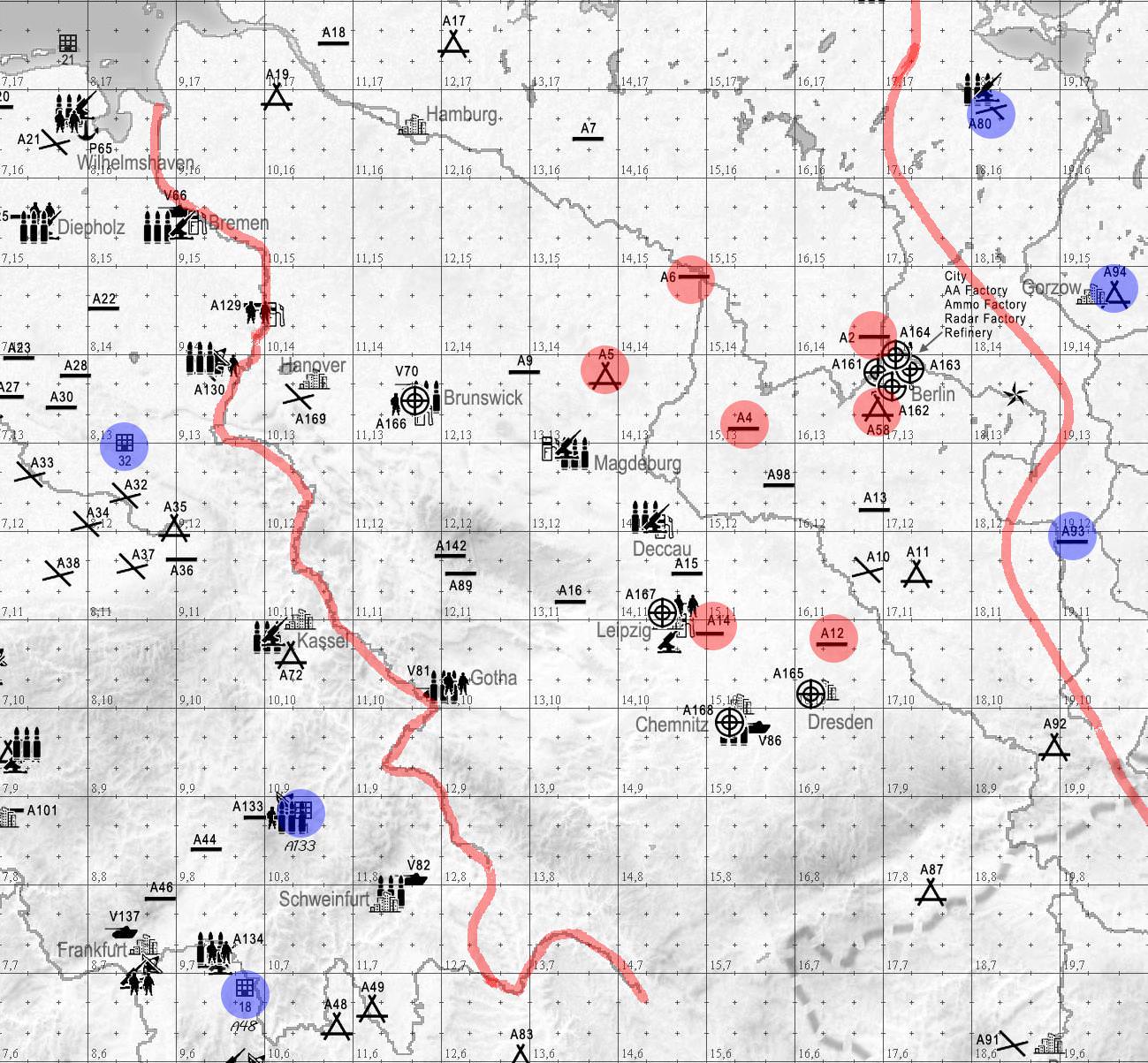
Base Assignments:
|
USAAF |
VVS |
Luftwaffe |
|||
|
P-51D |
A32/A48/A133 AS |
La-7 |
A80/A93/A94 |
Bf 109G-14 |
A2/A4/A6/A12/A14/A58 |
|
P-47M |
A32/A48/A133 AS |
Yak-3 |
A80/A93/A94 |
Bf 109K-4 |
|
|
B-17G |
A32/A133 AS |
Yak-9U |
A80/A93/A94 |
Fw 190A-8 |
A2/A4/A6/A12/A14/A58 |
|
- |
Tu-2S |
A80/A93/A94 |
Fw 190D-9 |
||
|
- |
- |
Ta 152H-1 |
A14 |
||
|
- |
- |
Me 262A-1 |
A5 |
||
Area of Operations:
Special Rules:
Fighters may not carry air to ground ordinance.
The "MIN X Total" for Fighters means a combined total of X must be taken for those types. For example, you are free to mix and match LAs/Yaks so long as there are 20 Russian fighters taken. The exception being that there is a MAX of 16 P-47s to be used each frame. Therefore, if only 8 P-47s are used, 12 P-51s must still be used to meet the MIN 20 requirement.
USAAF must land at USAAF bases (non-Soviet bases), and vice versa. Fronts are denoted by red lines on strat map.
Soviet forces must attack Eastern Front objectives, USAAF may not attack Eastern Front objectives.
Me 262 and Ta 152 must defend Western Front objectives until T+75.
Bomber Alt Cap is 23K. B-17G has a “hard deck” of 15K on ingress.
Formations are required.
Scoring:
City Building – 1 point
Other Strats – 1.25 points
Piston Fighters – 2 points
Tu-2S – 4 points
B-17G – 6 points
Me 262A-1 – 12 points
Special Thanks:
Perdweeb and Devil5O5 for assistance with balance and historical accuracy concerns.
Arena Settings:
Wolves Among Sheep
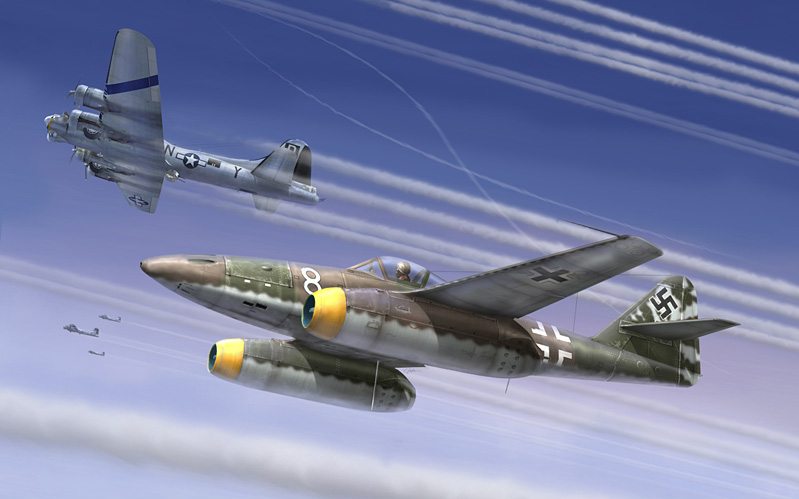
Leading up to the Fall of 1944, the Eighth Air Force was pummeling Germany with daily bombing raids consisting of hundreds of bombers with fighter escort. By June, the German oil industry was a priority target for the bombers, and by the end of 1944 almost all refineries were damaged or destroyed. Additionally, the Allies continued to cripple the aviation industry as well as training facilities. Every day it was normal to see thousands of bombers and fighter escorts fill the skies over Germany. Germany was scrambling to find ways to thwart the consistent Allied strikes. In October 1944, they put forth the world’s first jet-powered fighter aircraft, the Me 262, to combat the massive Allied strikes.
Led by Walter Nowotny, Kommando Nowotny was the first combat group to operate the Me 262 at squadron strength. Walter Nowotny's job was to develop proper tactics for a jet-powered fighter unit. Some of the greatest jet fighter aces in history flew in this squadron, such as Franz Schall, Karl Schnörrer, and Georg-Peter Eder. After Nowotny’s death on 8 November, the unit was re-designated Jagdgeschwader 7 Nowotny. The Me 262 proved to be an extremely capable aircraft, claiming at least 542 aircraft shot down through the end of the war. However, introduction of the Me 262 proved to be too little, too late as the Allies had already re-captured the majority of the territory Germany had held; and were pounding the German war machine.
This design is meant to capture a few days in the life of both Allied and Axis pilots, as they will be pitted against each other in the skies over the Third Reich. Targets areas being attacked during each frame are similar to the days chosen in this setup.
Allied: 52% / Axis 48%
Order of Battle:
|
United States Army Air Force |
Luftwaffe |
||
|
P-51D |
- |
Bf 109G-14 |
MIN 20 |
|
P-51B |
MIN 12 |
Bf 109K-4(G-10) |
MAX 24 |
|
P-47D25 |
MIN 20 |
Fw 190A-8 |
MIN 20 |
|
B-17G |
MIN 12 |
Me 262A-1 |
MAX 4 |
|
B-24J |
MIN 12 |
- |
- |
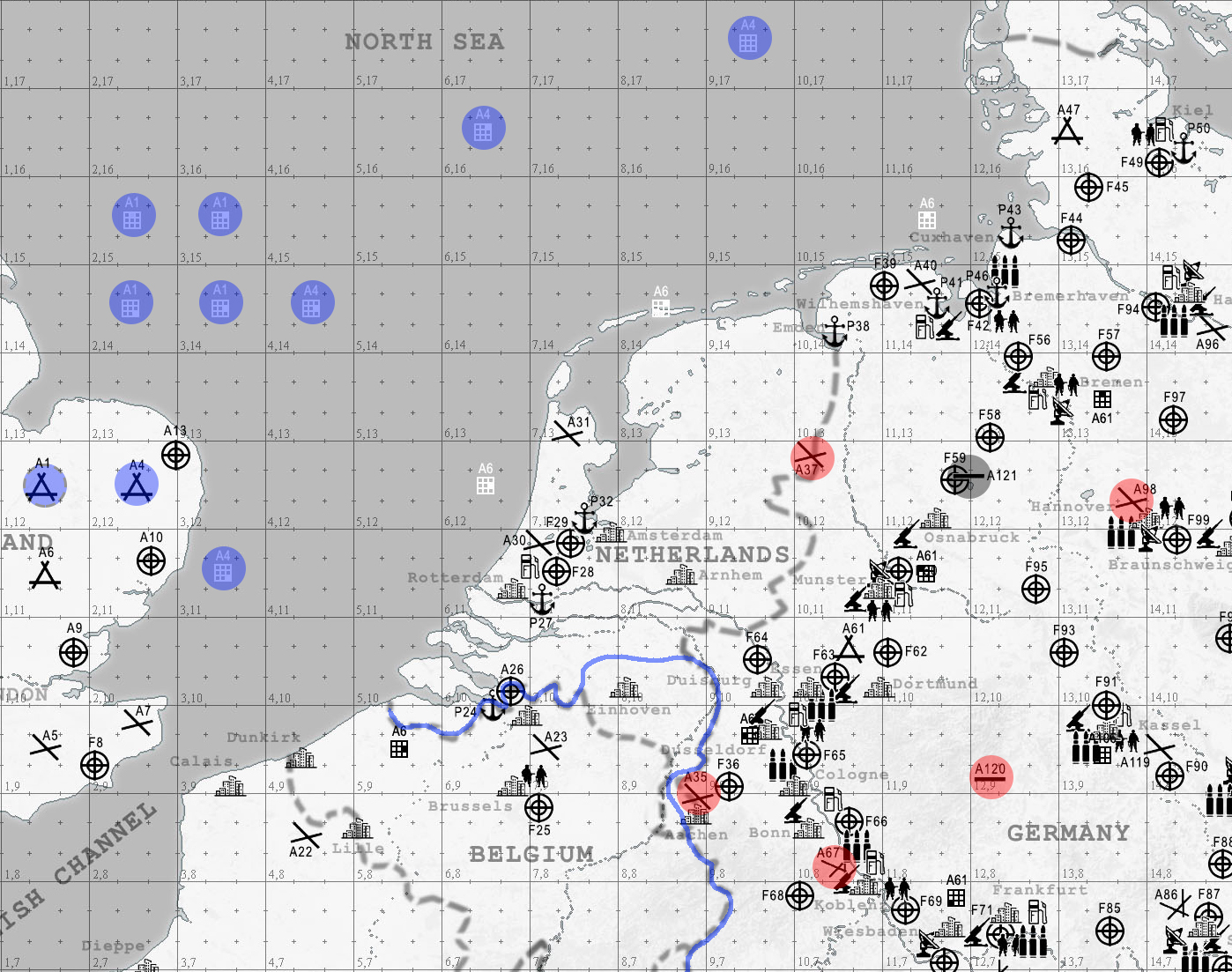
Active Fields:
|
United States Army Air Force |
Luftwaffe |
||
|
P-47D25 |
A1/A4 Air Spawn (15K) |
Bf 109G14 |
A35/A37/A67/A98/A120 |
|
P-51B |
A1/A4 Air Spawn (15K) |
Bf 109K-4(G-10) |
A35/A37/A67/A98/A120 |
|
P-51D |
A1/A4 Air Spawn (15K) |
Fw 190A-8 |
A35/A37/A67/A98/A120 |
|
B-17G |
A1/A4 Air Spawn (15K) |
Me 262A-1 |
A121 |
|
B-24J |
A1/A4 Air Spawn (15K) |
- |
- |
Loadout Restrictions:
Air to ground ordinance will be disabled for all fighters.
Notes:
Bombers may fly between 15K and 23K en route to target.
Fighters have an altitude cap of 30K. Harsh downwind above 30K.
Scoring:
Special Thanks:
Nefarious and Ghostdancer for the work on the fantastic new map, Rhnland!
Perdweeb and Devil5O5 for assistance with balance and historical accuracy concerns.
Arena Settings: