- Details
- Written by: Spikes
- Category: Eastern European Theatre
- Hits: 15
Operation Bagration: Summer 1944
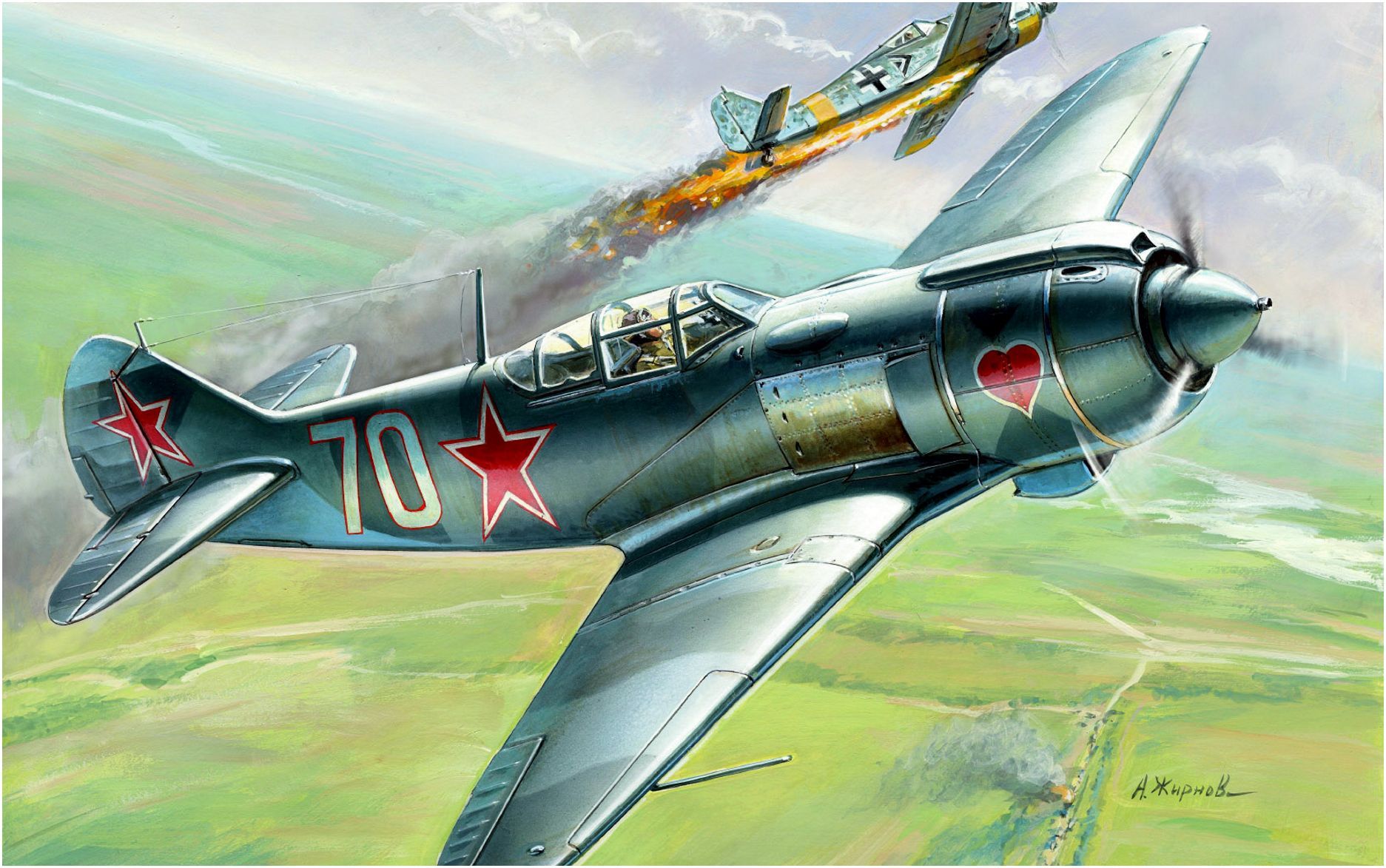
Operation Bagration was an offensive into Eastern Europe from the Red Army. This offensive and subsequent battles took place in Belarus, Eastern Poland, and even into the Baltic countries. This operation was a major push from Russia pushing German forces back to Germany. For nearly three months, the Wehrmacht and Luftwaffe fought a retreating battle while the Red Army and VVS continued to push them back. Over 2.3 million soldiers took part in this offensive.
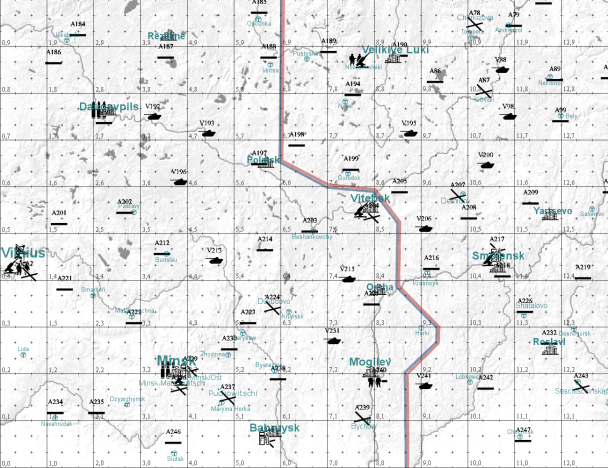
Our event will focus on the fighting around the city of Vitebsk, Belarus in the summer of 1944.
Side Split: 50% Allies/50% Axis
|
VVS |
Luftwaffe |
||
|
La-5FN |
MAX16 |
Bf 109G-14 |
MAX 8 |
|
Yak-9T |
Bf 109G-6 |
||
|
P-39Q |
FW 190A-5 |
MAX 8 |
|
|
A-20G |
FW 190F-8 | ||
Special Rules:
All aircraft have a 16K altitude cap.
Bombs disabled on FW 190A-5 and Bf 109G-14.
30mm option is disabled on Bf 109G-14.
Rockets disabled on FW 190F-8.
Scoring:
- Aircraft - 1
- Bunkers (Radar, Ordnance, Barracks, Fuel) - 3
- Town Buildings - 0.2
- Recommended Skins List:
-
Arena Settings:
- Terrain: russia
- Clouds: light5k
- Fuel Burn: 1.0
- Icons: 3K Friendly/Enemy
- Ack: .3
- Fighter and Bomber warning range: 52800 (about 10 miles)
- Tower range set to 52800 (for display only to match the above setting)
- Haze/Fog: 15 miles
- Radar: Off
- Enemy collisions: on
- Friendly collisions: off
- Killshooter: off
- Time: 1000 (10AM) Game Clock
- Formations: Off
- Formation Autopilot: On
- Bomber calibration: Automatic
- Wind:
0K-2K NO WIND
2K-8K: S TO N - Speed 5
8K-16K: SW TO NE - Speed 10
16K+: 65 MPH Downwind
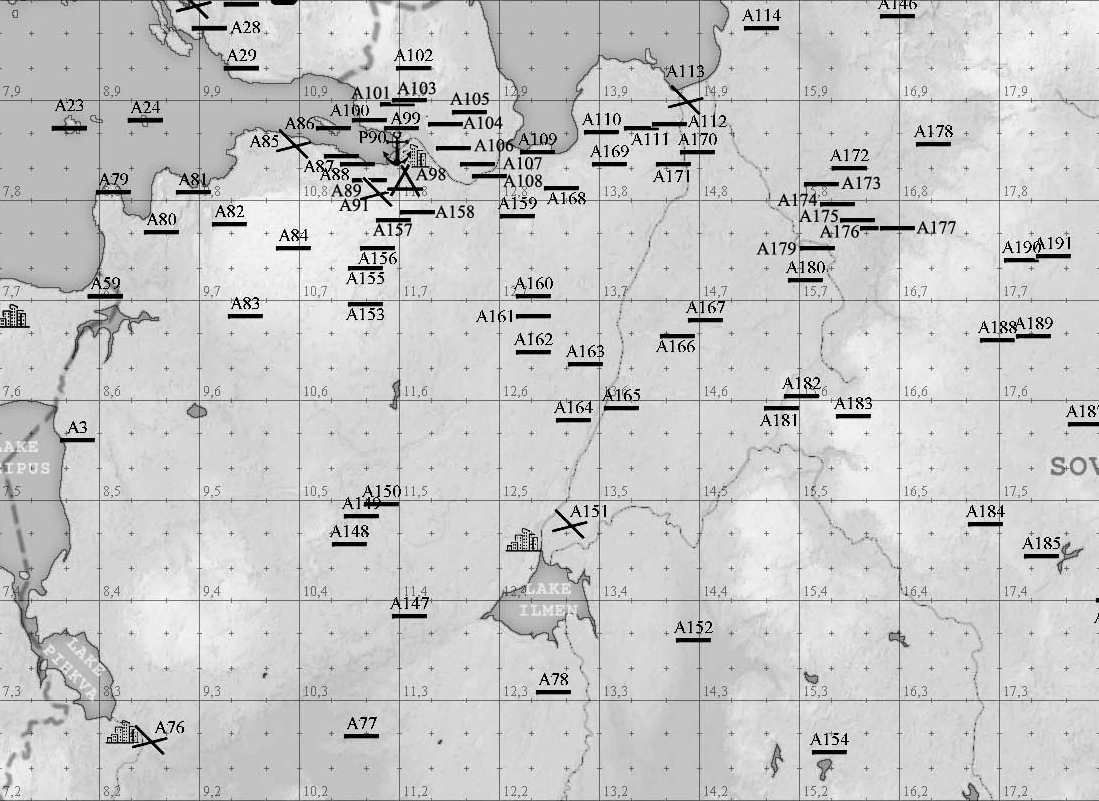
Area of Operations:
- Details
- Written by: Spikes
- Category: Eastern European Theatre
- Hits: 14
The Thin Ice: Lyuban, 1942

In Russia, the winter of 1941-1942 was extreme, even by Russian standards. Temperatures regularly fell to -40 degrees Farenheit and snow piled up. By the first week of December, German Army Group North was halted at Tikhvin by the stiff resistance of the Red Army and "General Winter." The Germans were forced to retreat to the Volkhov River.
With the Soviet armies east of Leningrad organized into the Volkhov Front, they were set to launch a new offensive in January to break the encirclement of Leningrad. The first objective was to liberate the village of Lyuban with a pincer attack, thus cutting off the German 18th Army near the town of Chudovo.
The attack came on January 6th. The Soviet 2nd Shock Army crossed the Volkhov north of Novgorod and advanced 40 miles over the course of January before being halted on the outskirts of Lyuban. The northern push began in March with the Soviet 54th Army pushing southwest towards Luban, threatening to encircle the 18th Army. But this attack came too late, as the Germans were also prepared to counter-attack from the south to cut off the 2nd Shock Army - and succeeded in doing so by March 19th. On the other hand, the Soviet advance in the north stalled out before advancing 20 miles.
This FSO aims to recreate the battles over Lyuban in March 1942, when weather permitted greater use of aircraft by both the Germans and Soviets.
Allies: 50% / Axis 50%
Order of Battle:
|
VVS |
Luftwaffe |
||
|
MiG-3 (C.205) |
Min 12 |
Bf 109E |
MIN 16 |
|
Yak-7b |
Bf 109F |
Max 32 | |
|
SB (B-25C) |
Min 12 |
He 111 | Min 12 |
|
P-40E |
|||
Loadout Restrictions:
Fighters may not carry bombs or drop tanks.
C.205 may not equip 20mm cannons.
Notes:
- Bomber Alt Cap is 14K.
- Fighter Alt Cap is 20K.
Scoring:
- Fighters - 1
- Bombers - 1
- Hangars - 4
- White Flag Town - 10
Arena Settings:
- - Terrain: finlandw
- - Clouds: light5k
- - Fuel Burn: 1.0
- - Icons: 3K Friendly/Enemy
- - Ack: .3
- - Fighter and Bomber warning range: 63360 (about 12 miles)
- - Tower range set to 63360 (for display only to match the above setting)
- - Haze/Fog: 15 miles
- - Radar: Off
- - Enemy collisions: on
- - Friendly collisions: off
- - Killshooter: off
- - Time: 1000 (10AM) Game Clock
- - Formations: On
- - Formation Autopilot: On
- - Bomber calibration: Automatic
- - Wind: 0K-6K NO WIND
- 6K-14K: E TO W - Speed 5
- 14K-20K: SE to NW - Speed 10
- 20K+: 45MPH Downdraft
- Designed by Devil5O5
Area of Operations:
- Details
- Written by: Spikes
- Category: Eastern European Theatre
- Hits: 13
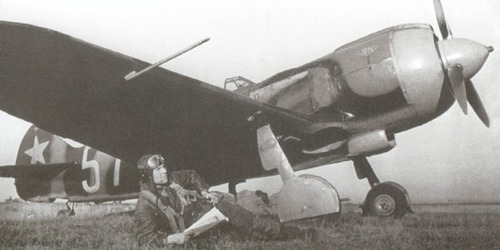
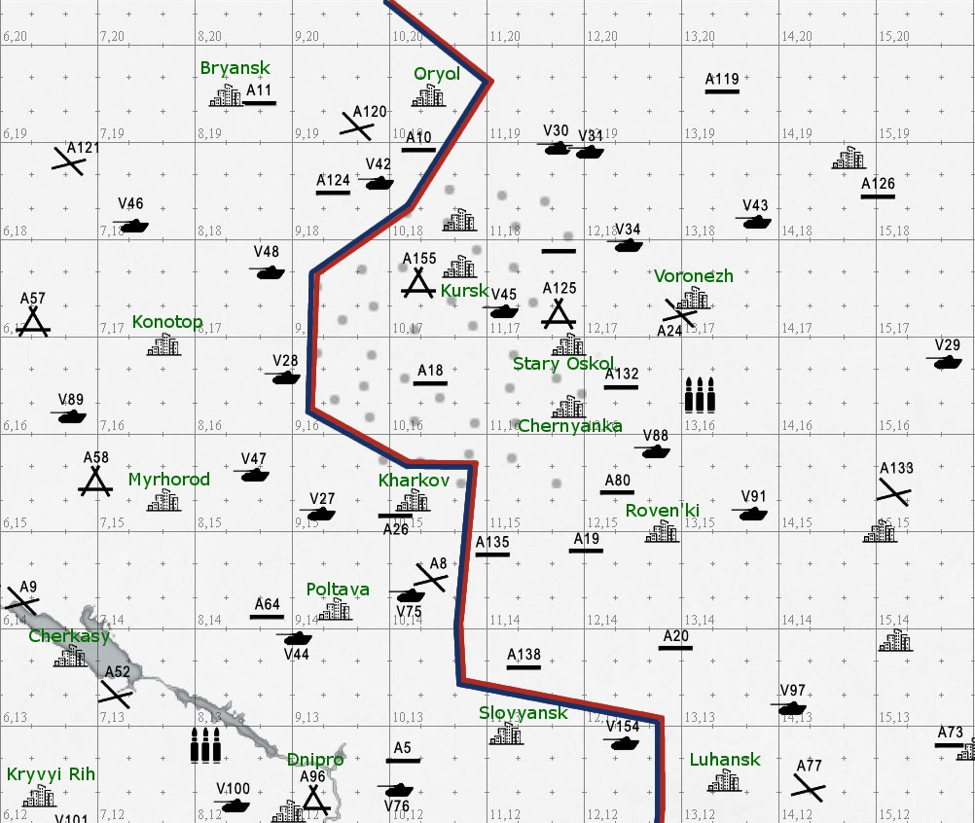
The German army has been pushed back into Ukraine following the defeat of the German 6th Army at Stalingrad. The city of Kharkov was breifly liberated by Soviet forces before being re-captured in General Erich von Manstein's counteroffensive. But with the spring thaw, military action became impossible as the ground turned to mud. With this period of inaction, both sides set about planning for action come summer. Maps of the stalled front revealed that the majority of the Soviet forces south of Moscow occupied a salient bulging westward into German occupied territory between Orel in the north and Kharkov in the south. In the center of the salient was a town whose name would become the infamous namesake of the battle to follow: Kursk.
The Germans planned to exploit the Soviet position by encircling the salient with a double envelopment, cutting off the Soviet forces inside and eliminating them. To accomplish this, the 9th Army would attack from the the north while the 4th Panzer Army and Army Detatchment Kempf attacked from the south. Attached to these forces were Luftflotten(Air Fleets) 4 and 6 along with Hungarian air force units. The total of axis aircraft at the outset of the battle numbered over 2,000.
The general German plan came as no surprise to the Soviets. Past battles in the war indicated a tendency for the Germans to cut off salients in the Soviet lines. Soviet intellegence reports also confirmed what the Germans planning. Soviet general, Georgiy Zhukov, elected to use the Kursk salient as a trap for the German forces that were sure to attack. With 5 armies under his command, Zhukov had them prepare defenses in depth to grind down the German attacks before unleashing his own tanks to finish them off. In support of the five armies were the 1st, 2nd, 5th, 15th, and 16th Air Armies, totalling over 3,000 aircraft.
The Soviets had much time to prepare as the Germans delayed the launch of the attack, named Operation Citadel, to bring up units with the brand new Tiger and Panther tanks. While the original plan was to begin in May 1943, Operation Citadel finally commenced on July 5th.
While the battle of Kursk is widely considerred the greatest tank battle, with over 8,000 tanks taking part, the air battle over Kursk was also frantic. The Germans and Soviets each cunducted more than 10,000 air sorties over the first three days. The majority of these were from Stukas and Sturmoviks directly attacking enemy tank and troop enplacements. Despite being outnumbered roughly 4 to 1 in available fighters, the German fighters succeded in gaining local superiority and attained a 6:1 kill to loss ratio. But the lack of fuel, ammunation, and spare parts saw the German sortie rate fall dramatially after the first week of the battle. Jg 51 saw its number of available aircraft fall from 88 on July 5th to only 37 by July 10th. Only nine Jg 51 pilots were lost in the same period.
Much of the supply issue for the Germans was caused by sabotage from Soviet partisans in the occupied area targeting railways and supply depots. The significant attrition rate caused the air war to peter out in about two weeks. But by this point, the German ground offensive was also halted and the Soviets launched counter offensives to the north and south of Kursk. Germany would never again have the initiative on the Eastern Front.
Allies: 50% / Axis 50%
Order of Battle:
|
VVS |
Luftwaffe |
||
|
La-5FN |
MAX 20 |
Fw 190A-5 |
MAX 12 |
|
Yak-9T |
MIN 20 |
Bf 109G-2 |
MIN 24 |
|
P-39Q |
Bf 109G-6 |
||
|
B-25C |
MIN 8 |
Ju 88A-4 |
MIN 8 |
|
A-20G |
MIN 8 |
Bf 110G-2 (Jabo) |
MIN 8 |
|
Yak-7b |
Hour 2 |
Bf 109F-4 |
Hour 2 |
|
P-39Q |
Hour 2 |
Ju-87D-3 |
Hour 2 |
|
IL-2 |
Hour 2 |
||
Ordnance Restrictions:
|
VVS |
Luftwaffe |
||
|
La-5FN |
No Bombs |
Fw 190A-5 |
No Bomb/MG FF/wGr Rockets |
|
Yak-9T |
No Bombs |
Bf 109G-2 |
No Bomb/Gondolas/wGr Rockets |
|
P-39Q |
No Bombs |
Bf 109G-6 |
No Bomb/Gondolas/wGr Rockets |
|
B-25C |
None |
Ju 88A-4 |
None |
|
A-20G |
None |
Bf 110G-2 |
No wGr Rockets |
|
Yak-7b |
No Rockets |
Bf 109F-4 |
None |
|
IL-2 |
None |
Ju-87D-3 |
No 1800kg bomb |
Notes:
- Bomber Alt Cap is 16K.
- Fighter Alt Cap is 20K.
- Hour 2 Fields will open at T+60 for 30 minutes, and close at T+90 for the night.
- The "MIN" On Yak-9T/P-39Q and Bf 109 are a combined minimum. A mix of that minimum must be taken, eg. All P-39s, All Yak-9Ts, 50/50, CiC preference.
- Town White Flag is either a visible white flag or "Prepped" status on clipboard. Approximately 70% of buildings must be destroyed (80 buildings). White Flagging a Town at a target is considered a bonus objective and will not be counted towards score unless all hangars at the target are destroyed.
- Due to Hour 2 feature, secondary objectives may be included as bonus. These will be noted in Frame Objectives.
Scoring:
- Fighters - 2
- Bombers - 5
- Hangars - 25
- Town White Flag - 25
- Hour 2 Aircraft - .5
Arena Settings:
- - Terrain: blksea
- - Clouds: med5kmed15k
- - Fuel Burn: 1.0
- - Icons: 3K Friendly/Enemy
- - Ack: .3
- - Fighter and Bomber warning range: 63360 (about 12 miles)
- - Tower range set to 63360 (for display only to match the above setting)
- - Haze/Fog: 15 miles
- - Radar: Off
- - Enemy collisions: on
- - Friendly collisions: off
- - Killshooter: off
- - Time: 1000 (10AM) Game Clock
- - Formations: On
- - Formation Autopilot: On
- - Bomber calibration: Automatic
- - Town White Flag - .70
- - Wind: 0K-2K NO WIND
- 2K-16K: E TO W - Speed 5
- 16K-20K: SE to NW - Speed 10
- 20K+: 60MPH Downdraft
- Designed by Devil5O5 in conjunction with Spikes and perdweeb.
Area of Operations:
- Details
- Written by: Spikes
- Category: Eastern European Theatre
- Hits: 13
Tali-Ihantala: Karelia 1944
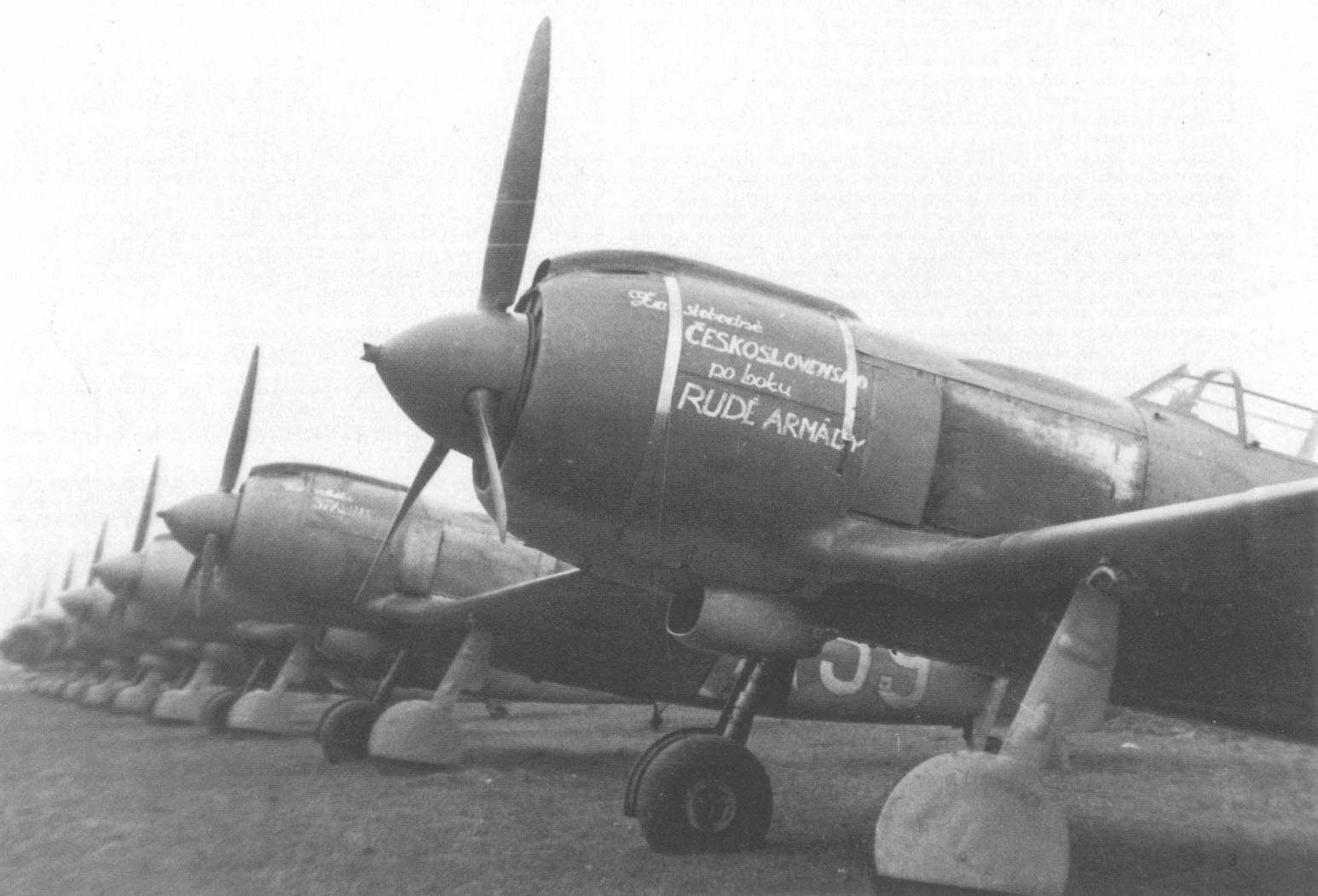
The Continuation War, which as its name suggests continued after the Winter War of 1939-40, lasted for most of the war in the Karelian Isthmus. The war between the Finns and Soviets eventually became a sort of trench war fought in the lowlands of Karelia. Various defensive lines were created by the Finns who were completely defensive. The stalemate lasted until May of 1944 when the Red Army began an offensive on the VT-Line (Vamelsuu - Taipale). On June 12, the line was completely breached and two days later, the Finns were in full retreat. The port city of Vyborg was in reach for the Soviets when the Finnish Army requested aid from Germany. Germany answered by sending a battalion of tank destroyers and an infantry division along with materiel such as Panzerfausts, anti-tank guns, and anti-aircraft guns.
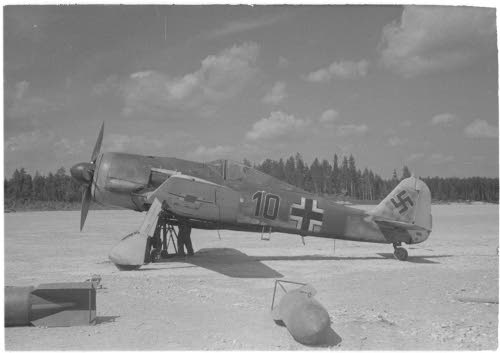
Also sent to Finland was a small cohort of pilots and aircraft called Gefechtsverband Kuhlmey (Detachment Kuhlmey). This detachment was comprised of pilots and aircraft from SG 3, SG 5, JG 54, and NaGR 5. As the aerial bombardments and anti-tank missions increased, the need for more fighters grew. In the small amount of time that Detachment Kuhlmey was operating in Finalnd, some 200 Soviet aircraft were shot down.This event seeks to simulate the intense aerial action over the Battle of Tali-Ihantala on the Karelian Isthmus.
Allies: 52% / Axis 48%
Order of Battle:
|
VVS |
Axis |
||
|
La-5FN |
MIN 20 |
FW 190A-5 |
MIN 20 |
|
Yak-9T |
MIN 10 |
Bf 109G-2 Bf 109G-6 |
MIN 16 |
|
Yak-9U |
MAX 12 |
Ju 88 |
MIN 10 |
|
Boston |
MIN 10 |
FW 190F-8 | MIN 6 - MAX 8 |
| A-20G |
MIN 6 |
||
Loadout Restrictions:
Fighters have bombs disabled.
Ju 88 has torpedos disabled.
Notes:
Bomber altitude cap is 16K.
Fighter altitude cap is 20K.
Bf 109G-2 and/or Bf 109G-6 must be flown by 16 pilots. Either may be flown but the two airframes must total to 16 or more, so that Bf 109G-2 + Bf 109G-6 = 16+.
FW 190F-8s and A-20Gs must be used on attack. This means these aircraft must attack the target by T+60.
Accurate Skin List:
TBA
Scoring:
Fighters - 1
Bombers - 1
Hangars – 5
Town Buildings (Max 80) - .25 (Max 20 pts)
Arena Settings:
- Terrain: finland
- Clouds: light5k
- Fuel Burn: 1.0
- Icons: 3K Friendly/Enemy
- Ack: .3
- Fighter and Bomber warning range: 52800 (about 10 miles)
- Tower range set to 52800 (for display only to match the above setting)
- Haze/Fog: 15 miles
- Radar: Off
- Enemy collisions: on
- Friendly collisions: off
- Killshooter: off
- Time: 1000 (10AM) Game Clock
- Formations: On
- Formation Autopilot: On
- Bomber calibration: Automatic
- Wind:
0K-6K NO WIND
6K-12K: S TO N - Speed 5
12K-20K: SE to NW - Speed 10
20K+: 30MPH Downdraft
Designed by perdweeb
- Details
- Written by: Spikes
- Category: Eastern European Theatre
- Hits: 15
The war in the east began on June 22, 1941 with Operation Barbarossa. This three pronged invasion saw German forces make great gains against the Soviets in the opening weeks. By August, Army Group South was closing on Kiev, Army Group Center had encircled Smolensk, and Army Group North had moved through the Baltic states and had it's sights set on Leningrad.
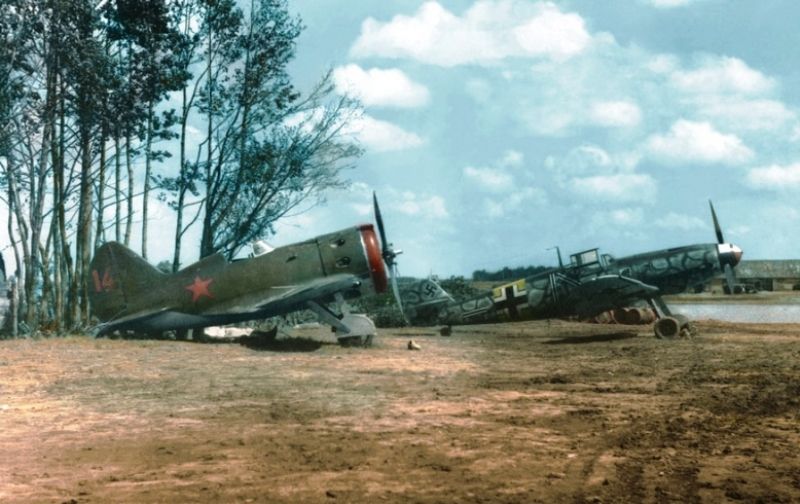
The Soviet air force (VVS) had suffered numerous losses in this opening phase. Jagdgeschwader 54 claimed 624 Soviet aircraft alone by August 1st when Max-Hellmuth Ostermann achieved Jg 54's 1000th kill of the war. For the push towards Leningrad, Jg 54's 109F's were bolstered by the additions of II/Jg 52's and II/Jg 53's with Bf 109F's, as well as III/Jg 27 with older 109E's. Another Gruppe of 109E's was available for Jabo sorties in the form of II(Schlact)/Lg 2. But the lion's share of jabo duty was to be handled by the Bf 110 units of I and II/Zg 26 as well as II/Skg 210, with their famous hornet head markings. Prime targets of the Luftwaffe were the Soviet airfields and the rail lines from Moscow.
The heavy losses taught the Soviets very hard lessons and the pilots who lived into August were instrumental in reforming the VVS into a formidable defensive force. For the protection of Leningrad, most air units in Northwest Russia were consolidated into the 7th IAK. But other air units were subordinated to ground armies or the Baltic Sea Fleet. All told, there were no less than 39 Soviet fighter divisions in the area of Leningrad in August 1941. While most of these units were outfitted with the obsolescent I-16, the speedy MiG-3 also saw extensive action near Leningrad. LaGG-3 and Yak-1 fighters were in much shorter supply. Despite apparent deficiencies in equipment and experienced crews, some Soviet units achieved success beyond their losses. 19 IAP, with a mix of MiG's and I-16's, shot down 66 German planes for only 44 losses through Sept. 29. 159 IAP claimed 46 kills for 34 losses over the same period in 2688 individual sorties.
Allies: 50% / Axis: 50%
Order of Battle:
|
VVS |
Luftwaffe |
||
|
Yak-7b |
MAX 32 |
Bf 109F-4 |
MAX 36 |
|
MiG-3 (C.205) |
MIN 18 |
Bf 109E-4 |
MIN 18 |
|
I-16 |
MIN 18 |
He 111H |
MIN 10 |
|
Bf 110C-4b |
MIN 10-MAX 18 |
||
Ordnance Restrictions:
|
VVS |
Luftwaffe |
||
|
Yak-7b |
No Rockets |
Bf 109F-4 |
No DT |
|
MiG-3 (C.205) |
No 20mm Package |
Bf 109E-4 |
None |
|
I-16 |
No Rockets |
He 111H |
No 1800kg Bomb |
|
Bf 110C-4b |
Must Use 2x250kg Bombs |
||
Notes:
- Jabo Alt Cap is 14K (while carrying ordnance).
- Bomber Alt Cap is 14K.
- Fighter Alt Cap is 18K.
- I-16s will be light on fuel, proper fuel management and delayed takeoff may be necessary.
Scoring:
- Fighters - 2
- Bombers – 2
- Hangars - 15
Arena Settings:
- - Terrain: finland
- - Fuel Burn: 1.0
- - Icons: 3K Friendly/Enemy
- - Ack: .3
- - Fighter and Bomber warning range: 52800 (about 10 miles)
- - Tower range set to 52800 (for display only to match the above setting)
- - Haze/Fog: 15 miles
- - Radar: Off
- - Enemy collisions: on
- - Friendly collisions: off
- - Killshooter: off
- - Time: 1000 (10AM) Game Clock
- - Formations: On
- - Formation Autopilot: On
- - Bomber calibration: Automatic
Area of Operations: